

led floor mirror
How to Turn Off the Main Water Valve A Step-by-Step Guide Understanding how to turn off your main water valve is an essential skill for every homeowner. Whether you're experiencing a plumbing leak, preparing for a renovation, or dealing with a burst pipe, knowing how to quickly shut off your water supply can save you from extensive damage and costly repairs. This article will guide you through the process of locating and turning off the main water valve in your home. What is the Main Water Valve? The main water valve controls the flow of water into your home from the municipal water supply or well. It serves as a vital safety feature, allowing you to stop the water flow in emergencies. It’s typically located near where the water line enters your home, often close to the foundation or in the basement. Steps to Turn Off the Main Water Valve 1. Locate the Main Water Valve The first step is to find the valve. Common locations include - Basement Often found near the water heater or where the water line enters the house. - Crawl Space Sometimes accessible in homes with crawl spaces. - Outside In warmer climates, the valve may be located outside, typically near an exterior wall or next to the foundation. - Garage Check in the garage if you can't find it elsewhere. 2. Identify the Type of Valve There are generally two types of valves to be aware of - Gate Valve This valve has a round wheel that you turn to open or close it. Turning it clockwise will close the valve, while counterclockwise opens it. - Ball Valve This type has a lever handle that you turn a quarter turn to switch between open and closed. When the handle is parallel to the pipe, it’s open; perpendicular indicates that it’s closed. 3. Prepare for the Switch Once you've located the valve, prepare for operation - Clear the area around the valve to allow easy access. - Have towels or buckets ready to catch any water that may leak out when the valve is shut off. how to turn off main water valve 4. Turning Off the Valve - For Gate Valves Turn the wheel clockwise until it stops. It might require some effort if it hasn’t been turned in a while, so apply steady pressure. - For Ball Valves Simply turn the lever perpendicular to the pipe to close it. 5. Check for Water Flow After you’ve turned off the valve, check your taps and fixtures to ensure that the water supply has stopped. Turn on a faucet (preferably the highest one in your home) to see if there is any remaining water pressure. It’s normal for a little water to come out, but there should be no sustained flow. 6. Address the Issue at Hand With the main water supply turned off, you can safely work on fixing leaks, replacing pipes, or conducting repairs without the risk of flooding your home. 7. Turning the Valve Back On Once you’ve completed your work, turning the valve back on is just as easy - For Gate Valves Turn the wheel counterclockwise until fully open. - For Ball Valves Turn the lever back parallel to the pipe. 8. Check for Leaks After restoring the water supply, inspect your plumbing for any leaks, especially at the sites of repairs. If you notice any leaks, turn the valve off again and address the plumbing issue before proceeding. Conclusion Knowing how to turn off your main water valve is a crucial part of home maintenance. It empowers you to handle plumbing emergencies efficiently, potentially saving you from extensive damage and repair costs. Make sure that all members of your household are aware of its location and how to operate it. Regularly check the functionality of your valve to ensure that it remains operational when you need it the most. With this skill in your toolkit, you can take control of unexpected plumbing problems with confidence.
about
led floor mirror
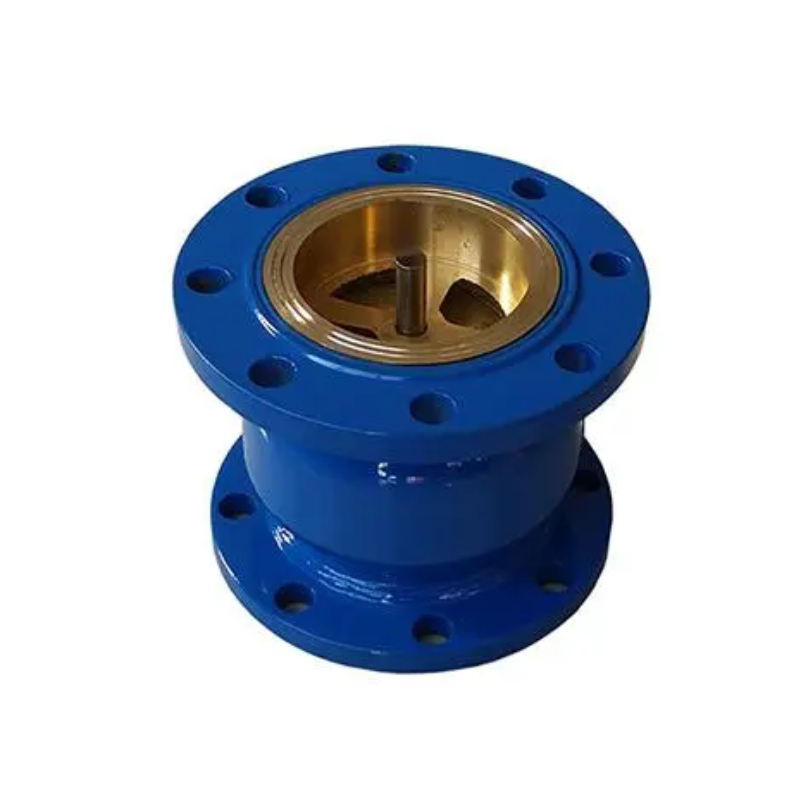
Het Belang van Type Niet-terugslagkleppen Niet-terugslagkleppen zijn cruciale componenten in vele industriële en huishoudelijke toepassingen. Ze zijn ontworpen om de vloeistofstroom in één richting te laten stromen en te voorkomen dat deze terugstroomt. Dit voorkomt schade aan apparatuur, stagnatie van vloeistoffen en andere ongewenste situaties. Er zijn verschillende soorten niet-terugslagkleppen, elk met hun eigen specifieke toepassingen en voordelen. 1. Balkleppen Balkleppen zijn een van de meest voorkomende types niet-terugslagkleppen. Deze kleppen bevatten een bal die vrij kan bewegen binnen de behuizing. Wanneer de vloeistof door de klep stroomt, wordt de bal omhoog geduwd, waardoor de vloeistof verder kan stromen. Als de vloeistofstroom stopt of probeert terug te stromen, zal de bal op zijn plaats vallen en de opening afsluiten. Dit eenvoudige maar effectieve ontwerp maakt balkleppen zeer betrouwbaar en populair in verschillende toepassingen, van waterleidingen tot olie- en gasinstallaties. 2. Schuifkleppen Schuifkleppen zijn een andere variant die vaak wordt gebruikt. Ze beschikken over een schuifmechanisme dat naar beneden of omhoog beweegt om de stroom te regelen. Wanneer de vloeistof in de juiste richting stroomt, wordt de klep geopend. Bij terugstroom sluit de klep automatisch. Schuifkleppen zijn bijzonder nuttig in systemen waar een strakke afsluiting vereist is om lekkages te voorkomen. 3. Veerbelaste Kleppen non return valve types Veerbelaste niet-terugslagkleppen maken gebruik van een veersysteem om de klep in de gesloten positie te houden wanneer er geen vloeistofstroom is. Wanneer de druk van de stromende vloeistof hoog genoeg is, wordt de klep geopend. Dit type klep is zeer effectief in situaties waar de vloeistofdruk kan fluctueren. De veer zorgt ervoor dat de klep altijd terugkeert naar de gesloten positie, wat de kans op terugstroming minimaliseert. 4. Retourkleppen Retourkleppen, soms ook bekend als terugslagkleppen, worden vaak gebruikt in verwarmings- en koelsystemen. Deze kleppen zijn ontworpen om te reageren op temperatuurveranderingen in het systeem. Bij stijgende temperaturen opent de klep automatisch, waardoor de warme vloeistof kan circuleren. Zodra de temperatuur weer afneemt, sluit de klep en voorkomt zo terugstroom. Dit type klep is van groot belang in systemen waar temperatuurregeling essentieel is voor de juiste werking. 5. Til- en Flapperkleppen Til- en flapperkleppen zijn populair in toepassingen waar de vloeistofstroom snel en met hoge snelheid is. Deze kleppen zetten een flap of een klepje in om de terugstroom te blokkeren. Wanneer vloeistof met voldoende kracht passeert, tilt de flap op, maar bij een omgekeerde stroom valt de flap terug op de opening, waardoor de terugstroom wordt verhinderd. Ze worden vaak gebruikt in industriële installaties, zoals bij rioolwaterbehandelingssystemen. Conclusie Het gebruik van niet-terugslagkleppen is essentieel voor het waarborgen van de veiligheid en efficiëntie in verschillende vloeistoftransport- en verwerkingssystemen. Door de juiste soort niet-terugslagklep te kiezen, kunnen bedrijven en huiseigenaren ervoor zorgen dat hun systemen soepel functioneren en dat ongewenste terugstroom wordt voorkomen. Of het nu gaat om bal-, schuif-, veerbelaste, retour- of flapperkleppen, elk type biedt specifieke voordelen die passen bij de behoeften van de toepassing. Het is daarom belangrijk om de juiste keuze te maken op basis van de specifieke eisen van het systeem.
-

High quality industrial productsagement

High quality industrial products
View Details -

Meet the diverse needs of customers

Meet the diverse needs of customers
View Details -

Strict quality control

Strict quality control
View Details -

Top raw materials

Top raw materials
View Details -

Trusted supplier

Trusted supplier
View Details
Our application
news and information
Using Tapered Plug Gauges for Precision Measurement and Quality Control in Manufacturing
Understanding Taper Plug Gauges and Their Applications In precision engineering and manufacturing, e

Utilizzo di barre d'acciaio nei lavori di costruzione di edifici e strutture
L'importanza delle barre d'acciaio nelle costruzioni edili Nel settore delle costruzioni, l'uso dell
v block & clamp
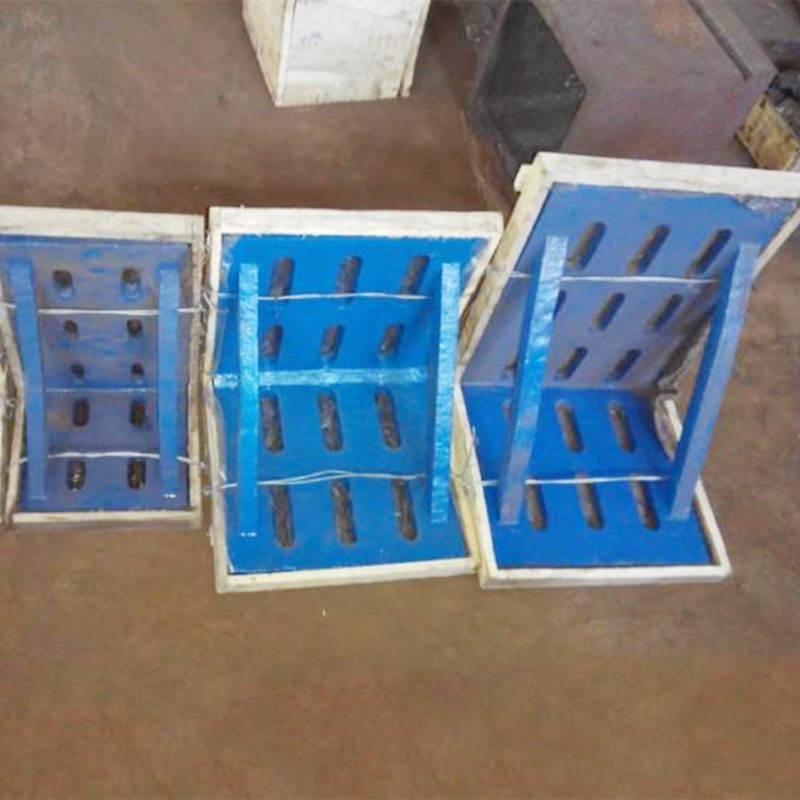
The Importance of V-Block and Clamp in Precision Workholding In various machining and manufacturing
 English